Designing a Retail Shop Front: Making the Right First Impression
When I talk about retail interior design, it is easy to focus on what happens once a customer walks through the door. Where should the counter go? How should the shelving be arranged? What colour should the walls be?
But before any of that happens, there is one rather important question to answer:
Will the customer want to walk through the door in the first place?
The shop front is the first part of your business that most customers will see. It needs to catch their attention, communicate something about the brand and, most importantly, make the entrance feel inviting. A good shop front should work whether someone is deliberately looking for your business or simply walking past.
There are several elements I consider when designing a shop front, from signage and colour to windows and, perhaps most importantly, the entrance itself.
Signage – more than just your name
Your signage is often the first interaction someone has with your brand. It needs to tell people who you are, but it can also tell them what you do and give an indication of the experience they can expect inside.

The obvious place for signage is the fascia above the shop window. This is a good opportunity to establish the name and identity of the business, but it is not the only option.
Projecting signs can be particularly useful on busy high streets. They can be seen by people approaching from either direction and can be designed to communicate something about the business rather than simply displaying a logo.

Window graphics can also be useful. They might introduce a particular product or service, provide opening hours or simply reinforce the brand. The important thing is not to cover so much of the glass that you lose the benefit of being able to see into the shop.
I see signage as more than just a graphic design element. It is also an architectural element. The size, position, material and method of illumination all affect the appearance of the building.
And, of course, signage is one area where it is worth checking the planning requirements and any restrictions imposed by the landlord before getting too far into the design.
Colour – standing out without shouting
Colour is another powerful tool for a shop front.
A strong colour can make a business instantly recognisable and help it stand out amongst its neighbours. But standing out does not necessarily mean using the brightest colour available.
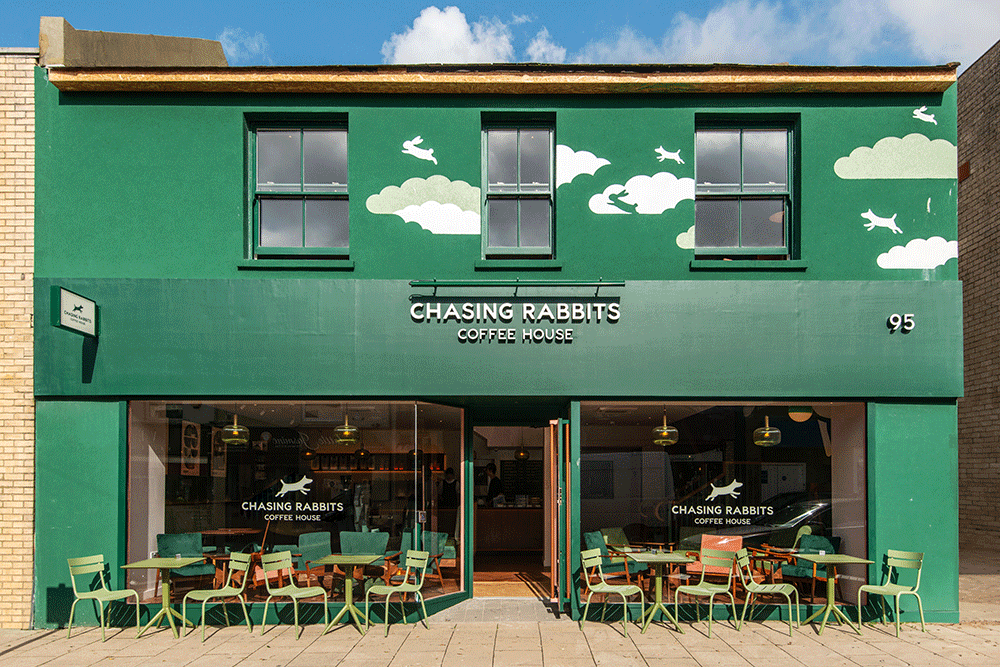
https://www.chasingrabbitscoffee.co.uk
Sometimes a carefully chosen dark green, deep blue or warm neutral can be just as effective as a vivid colour. It is about understanding the character of the business and the environment it sits within.
I also consider the architecture of the building when choosing a colour. A traditional shop front in a historic high street might benefit from a colour palette that respects its surroundings, whereas a contemporary retailer could use colour to deliberately create contrast.
I also like to think about how the colour works with the interior. The shop front is not an isolated piece of design. Ideally there should be a visual connection between outside and inside, so that the customer gets a sense of the brand before they even cross the threshold.
The shop window – giving people a reason to look
A shop window has a difficult job. It needs to attract attention without becoming so cluttered that the customer cannot understand what they are looking at.
For retailers, the window is an opportunity to showcase products and create a reason to come inside. For businesses selling services, it can be more about communicating an atmosphere, personality or brand.
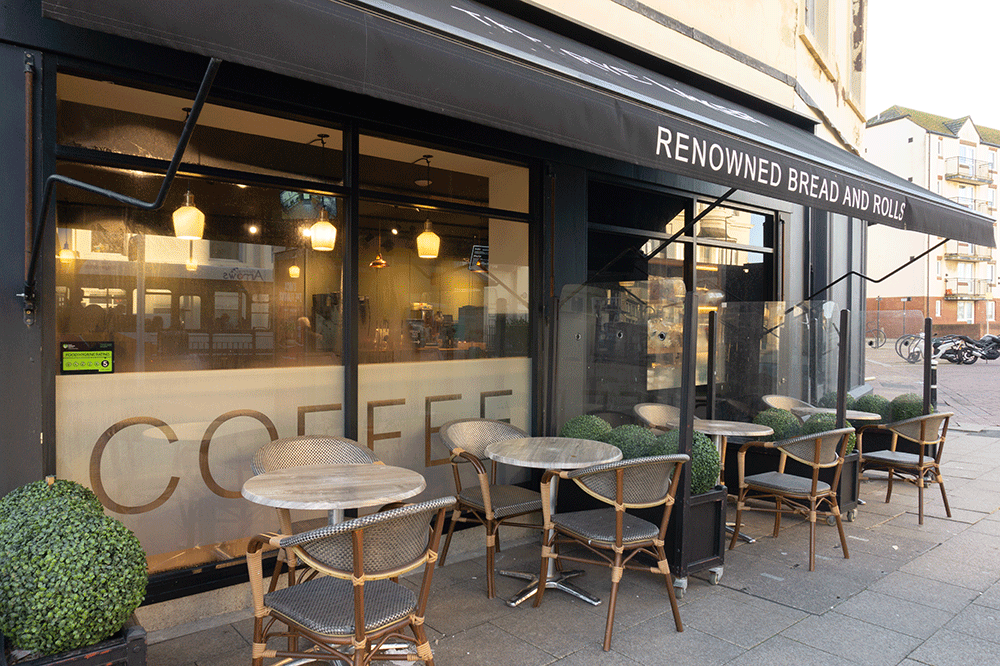
I also think the view into the shop is important. If customers can see an interesting interior beyond the window, it can act as an invitation.
I often find that the most successful shop fronts are not necessarily the ones with the most information. They give people just enough to make them curious about what is inside.
Choosing the right entrance door
The entrance door is something that can easily become an afterthought, but it has a surprisingly significant impact on how welcoming a shop feels.
There are many options. A traditional timber door can work beautifully on an older building, while a contemporary glazed door may be more appropriate for a modern retail environment. Aluminium and steel-framed doors can give a more industrial feel, while painted timber can introduce warmth and character.
But appearance is only part of the decision.
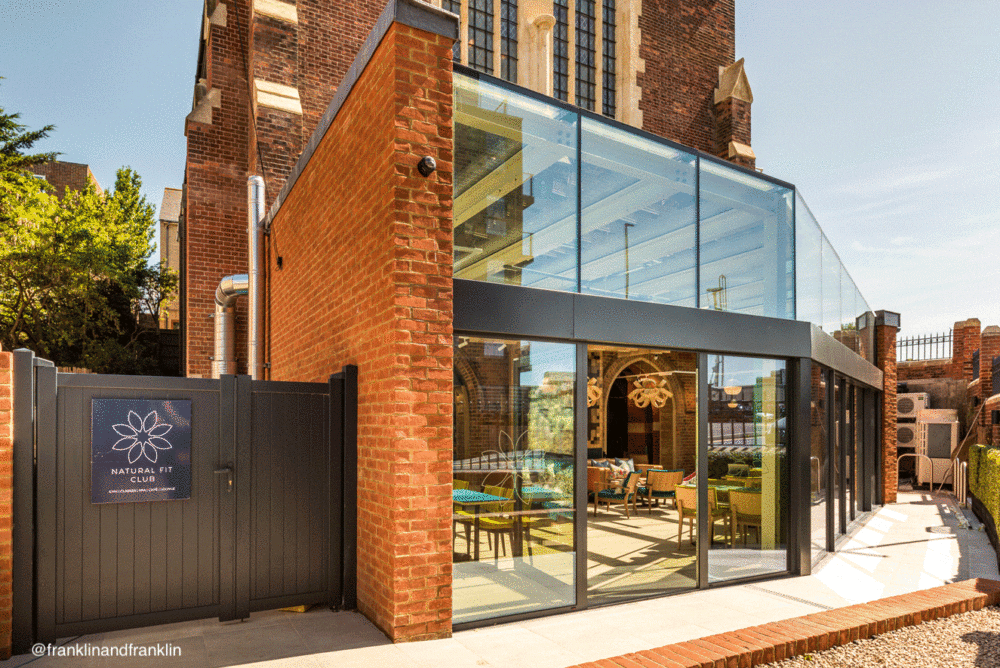
I need to consider how the door works for the people using the shop. Is it easy to open? Is there enough clear width? Does it work for customers with mobility issues, parents with pushchairs and people carrying shopping? Does the threshold create a trip hazard?
These practical considerations need to be resolved alongside the aesthetics rather than after them.
A beautiful entrance that is difficult to use is not a successful piece of design.
What happens at the threshold?
There is also a subtle psychological element to an entrance.
I want customers to feel that they know where to go. A change in floor finish, a well-positioned display or a glimpse of the interior can help create a natural transition from pavement to shop.
For some businesses, the entrance can be deliberately open and informal. For others, particularly more premium retailers, a stronger threshold can create a sense of arrival.
The important thing is that the entrance reflects the experience waiting inside.
Bringing it all together
The best shop fronts don’t treat signage, colour, windows and doors as separate decisions. I see them as parts of the same composition.
The signage needs to work with the proportions of the building. The colour needs to complement both the architecture and the brand. The window needs to give customers a reason to stop. And the entrance needs to make taking that final step inside feel easy and natural.

It is also worth remembering that a shop front has to work at different distances. From across the street, a customer needs to be able to identify the business. As they get closer, they should be able to understand more about what is on offer. Finally, at the door, everything should feel clear and welcoming.
A successful retail design therefore starts before the customer enters the shop.
Good retail design doesn’t begin at the sales counter. It begins at the pavement.